Hello! ♡
Manga >
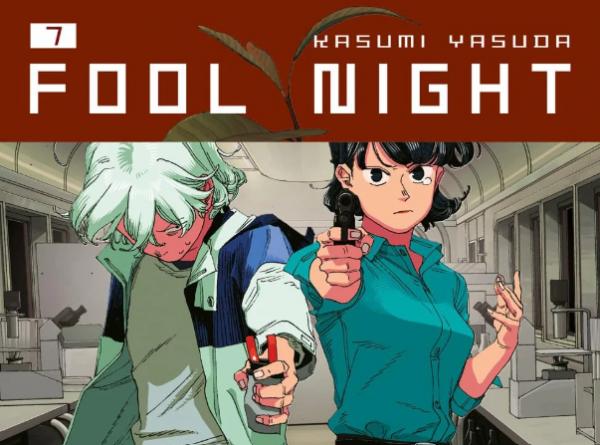
https://www.mangago.me/read-manga/fool_s_night/"In the midst of winter, I found there was within me an invincible summer" by Albert Camus.
There is something almost painfully appropriate about these words when I think of Kasumi Yasuda's Fool's Night because few manga understand the strange relationship between darkness and life quite as intimately.

Here is a world where the sun has disappeared behind a permanent veil of clouds, where the earth has spent a hundred years slowly suffocating, where plants have withered and oxygen has become something precious enough to determine the value of a human life. And yet in the middle of all this darkness something continues to grow. That is the strange beauty of this manga: Fool's Night. It is a story that seems at first to be about a dying world but the longer you read about it, the more you realize that it is really about the stubbornness of life. Yasuda does not create a future that is spectacular in the conventional sense. There are no gleaming cities or triumphant visions of technological progress here. Instead, the future of this manga feels suffocatingly intimate. The sky is dark, the air is scarce, nature is disappearing and humanity has been forced to find a solution that is as beautiful as it is horrifying.

Through a process known as 'transfloration' people can be transformed into plants known as 'spiriflora', allowing their bodies to produce the oxygen that humanity desperately needs. It is an idea so strange that it almost sounds like a dream until you think about what it actually means: a human being can give up their humanity and become part of the natural world so that other human beings can continue to live. The more beautiful the idea appears, the more disturbing it becomes. And that contradiction is the soul of Fool's Night. Nothing in this manga is allowed to remain purely beautiful or purely horrifying. Flowers grow from tragedy. Survival depends upon sacrifice. Nature is preserved by transforming people into something other than people. Death and life are constantly touching one another so closely that sometimes it becomes difficult to tell where one ends and the other begins. And perhaps, that is why this manga stayed with me in a way I did not expect.

There are stories you finish and immediately understand. But Fool's Night is not one of them. It is the sort of story that follows you. You find yourself remembering a panel while doing something completely unrelated, thinking about a character's decision or returning to one of the questions the manga quietly placed in your mind without ever giving you an answer. What does it mean to survive? How much can a person sacrifice before survival ceases to feel like living? And if the world has made your choices for you, can you still call what remains a choice?
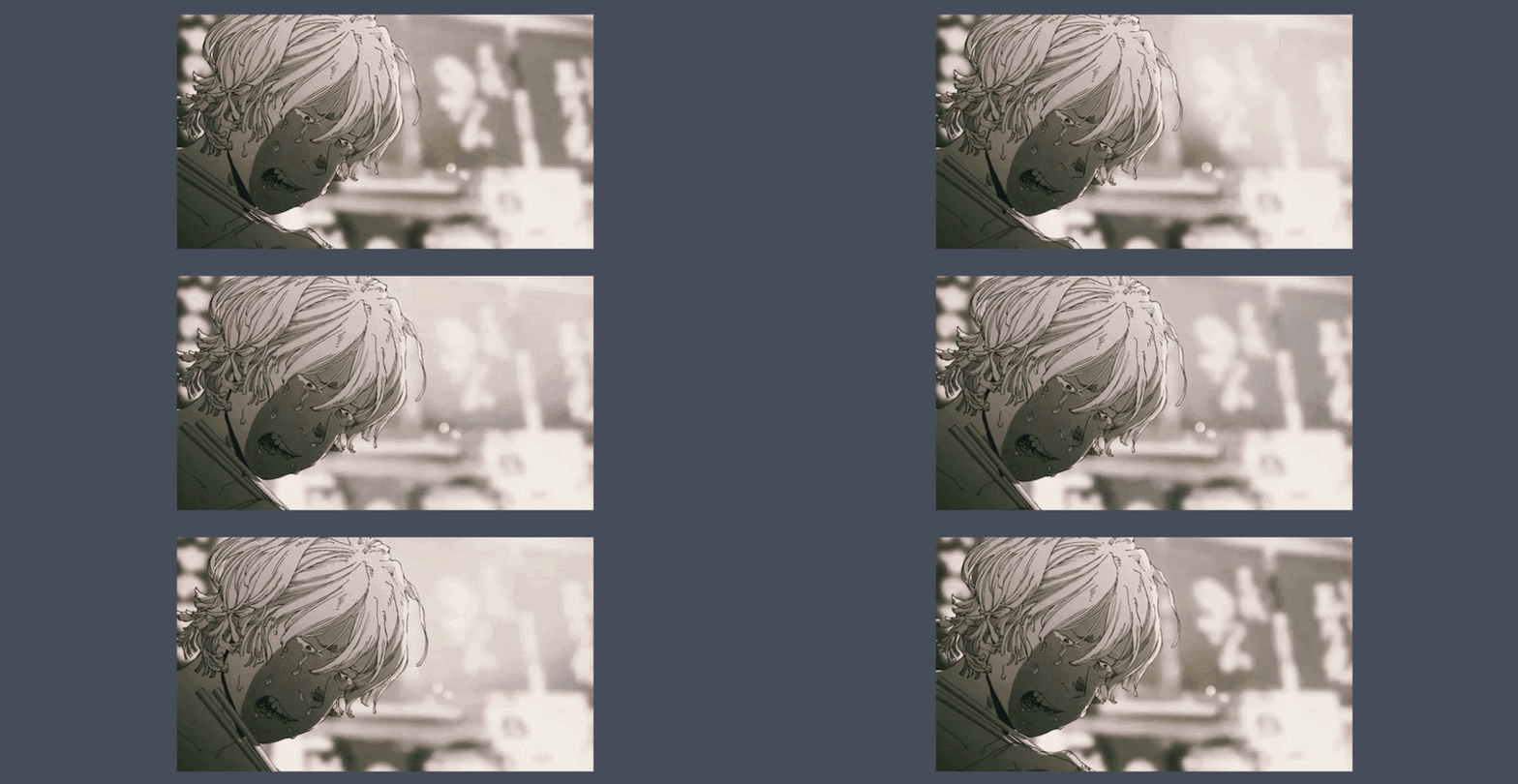
At the center of this strange world is Toshiro Kamiya, a young man whose life is already weighed down by the kinds of problems that feel painfully ordinary: money, responsibility, exhaustion, family and the fear that the future may not contain anything better than the present. He is not the sort of protagonist who enters the story with a heroic destiny waiting for him. He does not feel larger than life. If anything, he feels smaller than it. And that is precisely why he works. Toshiro is someone who has been worn down rather than dramatically defeated, someone who has learned to move through life without expecting too much from it. There is something very human in that. His struggles make the dystopian premise feel strangely personal because beneath the fantastical elements is a familiar anxiety: the feeling that circumstances can become so overwhelming that the question is no longer what you want from life but simply what you can afford to lose. This is where this manga becomes much more than an interesting scifi concept.
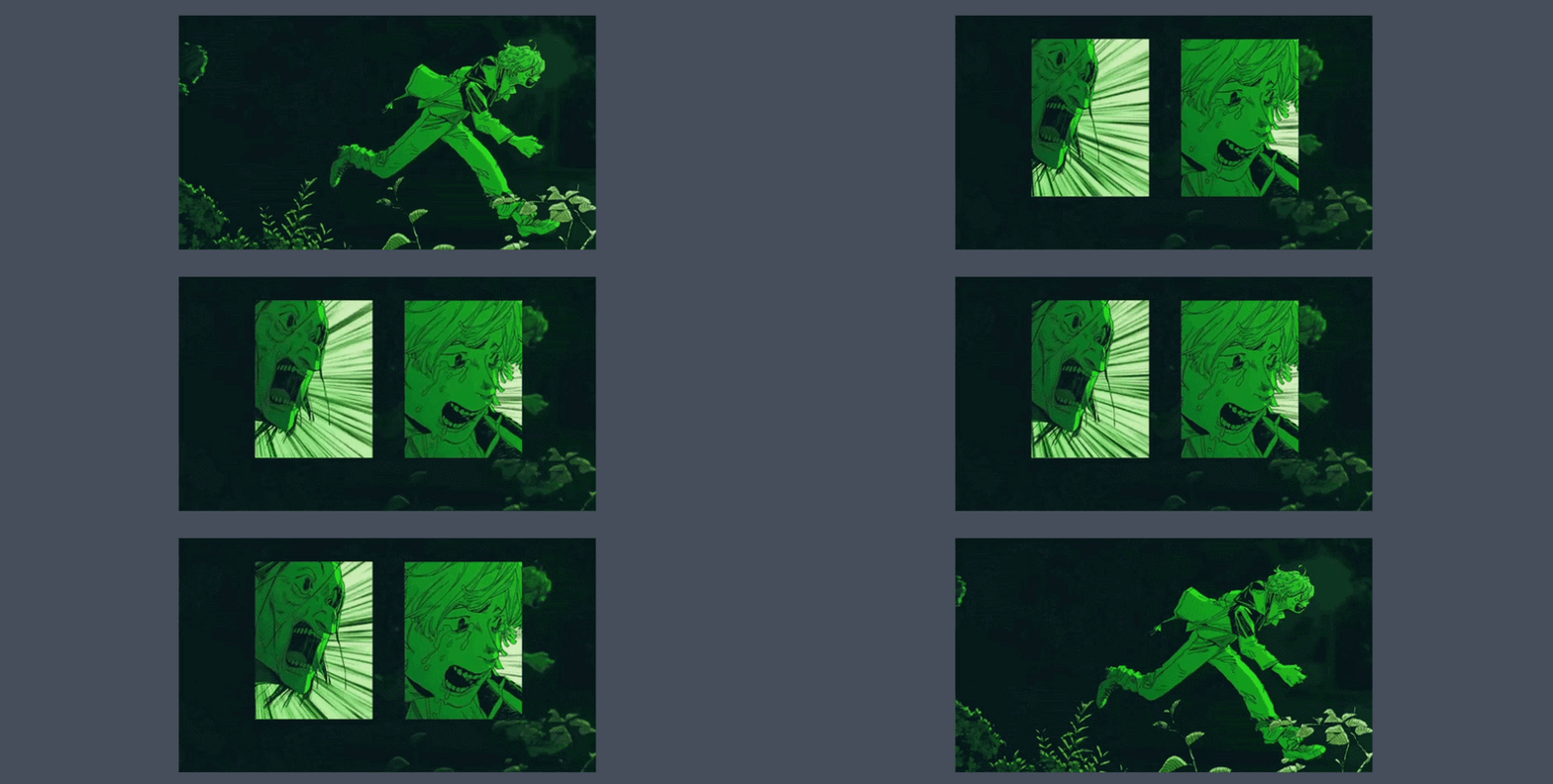
Transfloration could have been nothing more than a piece of world building, a biological mechanism invented to make the story unusual. Instead, Yasuda uses it to ask uncomfortable questions about poverty, class, freedom and necessity. If someone agrees to give up their human existence because they have no money, no opportunities or no reason to believe that tomorrow will be better, how freely did they really choose? If society depends upon that sacrifice, can it ever admit that the system is cruel? And perhaps most importantly, what happens when something morally horrifying becomes so necessary that people stop questioning it? These questions give Fool's Night its weight. The manga does not give us a convenient villain to blame for everything. That would be too easy. The world itself has become the antagonist and the people living inside it are forced to make compromises simply because there are no perfect choices left. Humanity needs oxygen. People need money. Families need to survive. The environment is collapsing. Everyone is caught somewhere inside that chain of necessity. That moral ambiguity is one of the manga's greatest strengths because it makes the characters feel like people rather than symbols. They are not simply good or evil: they are frightened, selfish, compassionate, lonely, desperate and occasionally kind. Sometimes they are several of those things at once. Yasuda understands that desperation rarely creates clean heroes or villains. More often, it creates people who are trying to make the least unbearable choice available to them.
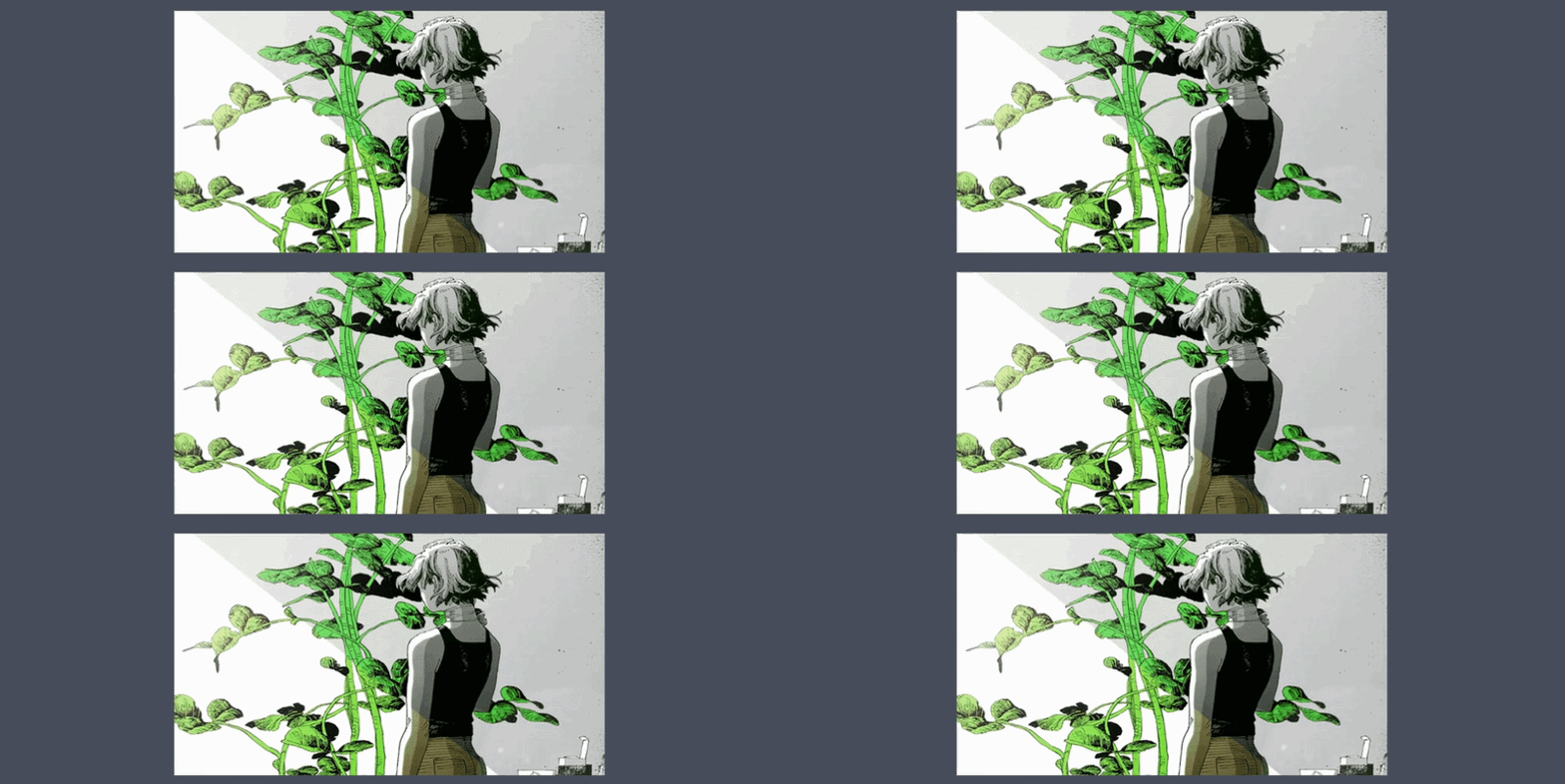
And then there is the artwork which deserves to be spoken about with the same care as the story itself. In my opinion, this manga is visually haunting but its beauty is not the polished effortless kind. It is a beauty that seems to have survived something. The world is grey and oppressive, the atmosphere often heavy with decay and yet the plants introduce these startling moments of organic beauty. The spiriflora are especially unforgettable because they occupy such an uncomfortable space between the human and the natural. They can look delicate, almost peaceful and then the reality behind their existence comes rushing back. A person has become this plant. Someone once had a name, a voice, memories and ordinary ambitions and now their body has become part of the machinery keeping humanity alive. There is something poetic about that transformation but also something cruel. Yasuda never allows us to admire the beauty without remembering its price. This is perhaps one of the reasons the manga's visual world feels so mature. It understands that horror becomes more powerful when it's not presented as something ugly. Sometimes the most disturbing things are the ones that are beautiful enough to make us hesitate before looking away. The plants are life itself but altered by desperation. They represent the possibility that humanity can survive while simultaneously reminding us of what that survival demands. The result is an image that is impossible to reduce to a single meaning. You can look at a spiriflora and see sacrifice, hope, exploitation, death, nature or rebirth and somehow all of those interpretations can exist together. Normally plants represent growth and the continuation of life, right? Well, in Fool's Night they become inseparable from mortality.
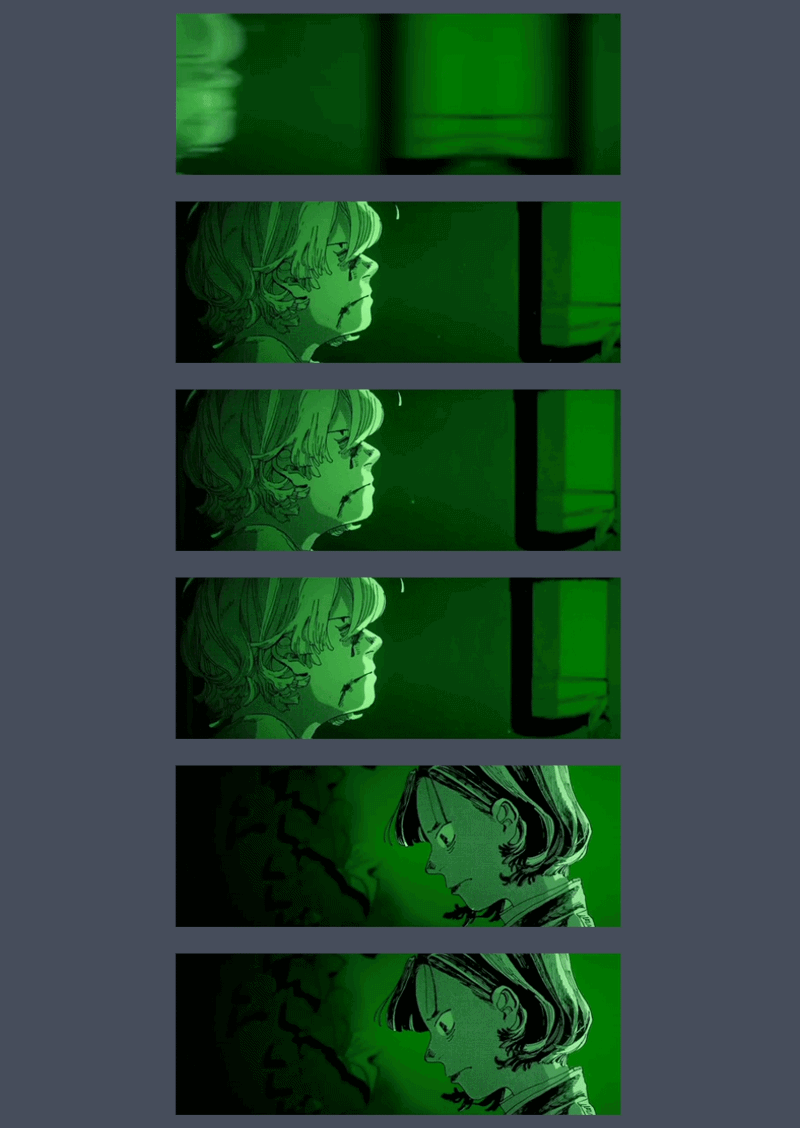
Human beings become plants because the natural world can no longer sustain them. It is an almost tragic reversal of our relationship with nature: instead of humanity protecting the environment, humanity itself must become part of it in order to keep the species alive. There is something haunting yet elegant about this idea. The world has lost its sunlight and yet the human body becomes a place where something green can still grow. The earth is dying and still something reaches upward. That is where I think the Camus quote I put at the beginning becomes so fitting. There is an "invincible summer" hidden somewhere inside Fool's Night but it is not a cheerful summer. It is not warmth or sunlight or happiness. It is the stubborn instinct to continue. It is the little spark inside a person who has every reason to give up but does not. It is a plant growing in a world that no longer seems capable of supporting one. It is the possibility that life can take a different form without entirely disappearing. And that, ultimately, is what makes the manga feel strangely hopeful despite how bleak it can be.
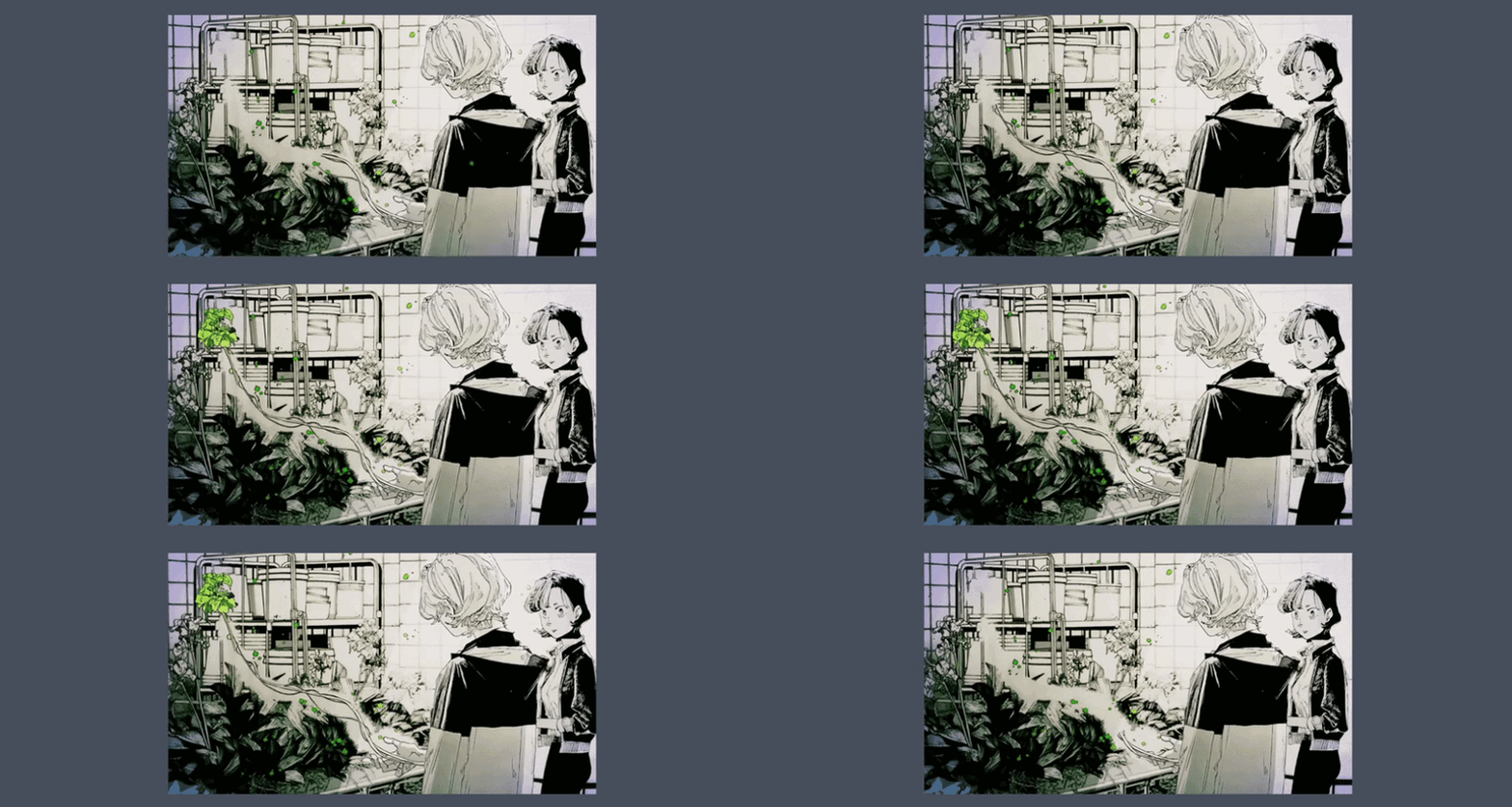
The hope is never easy. It does not arrive as a miracle. It is not a promise that everything will be fine. Instead it appears in tiny gestures and fragile relationships, in the simple fact that people continue to care about one another even when the world gives them very little reason to. Sometimes hope is simply persistence. Sometimes it is waking up and choosing to continue. Sometimes it is allowing yourself to believe that another person's existence matters. This is also why I would not describe this manga as merely a dark dystopian manga. Darkness is certainly everywhere in it but the manga is more interested in what darkness reveals. When comfort disappears, what remains? When resources become scarce, what happens to morality? When survival becomes the priority, what parts of ourselves are we willing to surrender? These questions make the story feel surprisingly close to our own world.

We may not live beneath a permanent cloud layer but we understand exhaustion, inequality, environmental anxiety, loneliness and the fear of an uncertain future. The scifi gives these anxieties a new shape but the emotions underneath them remain recognisably human. That is perhaps why Toshiro's story can feel so intimate despite the enormity of the world around him. He is not simply fighting against a dystopian system: he is trying to understand whether there is still something worth wanting in a life that has already taken so much from him.
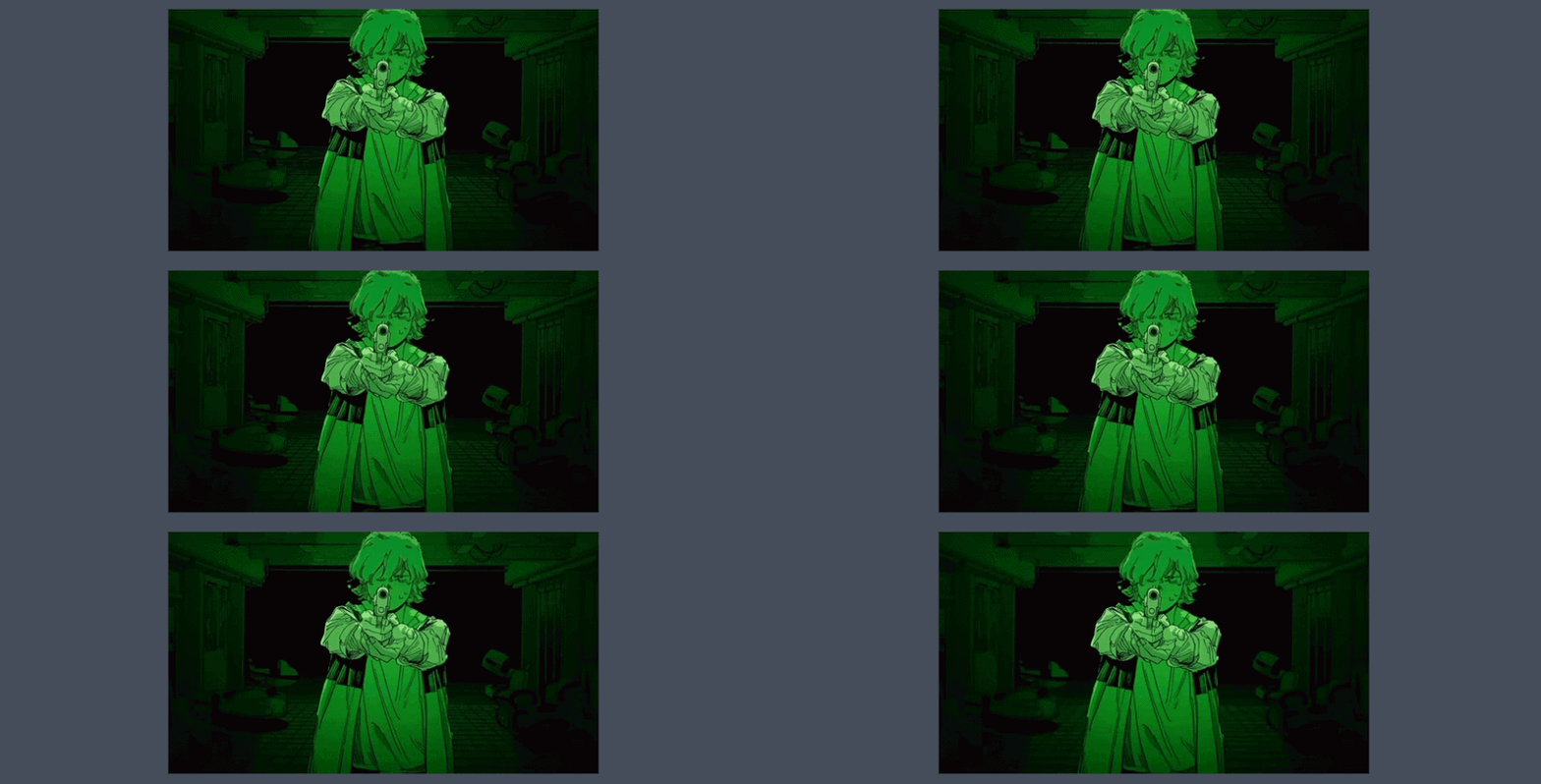
Of course the manga is not perfect. I believe that its greatest strengths can also become its greatest challenges. The pacing is deliberately patient and there are sections where the story seems more interested in atmosphere and moral reflection than in pushing the plot forward. For some readers that will be part of the charm while for others it may feel slow. Personally, it reminds me of Kafka's books in particular "The Castle"). The world is also relentlessly bleak at times and there is very little of the easy comfort that some readers look for in a long running series. The subject matter can be disturbing, particularly when the story explores death, poverty, exploitation and the transformation of the human body. This mamga doesn't soften these ideas to make them easier to consume. It asks you to sit with them. That can be uncomfortable but I think the discomfort is purposeful and I personally appreciate it.
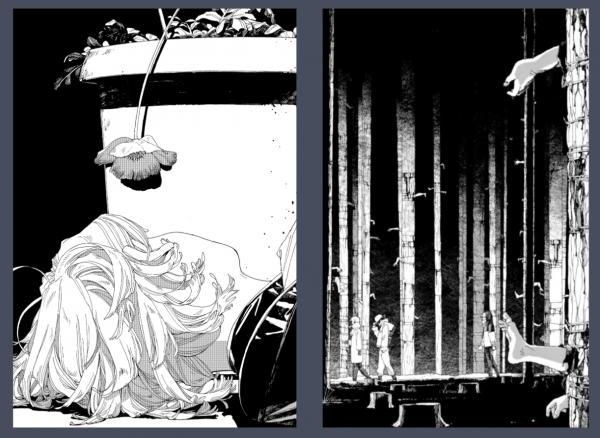
The manga wants you to feel the weight of its world rather than simply observe it from a safe distance. There is also something refreshing about the fact that it refuses to give us simple moral answers. I found myself occasionally wanting someone to explain who was right and who was wrong, only to realise that the story itself was not interested in making that distinction for me. It is much more concerned with consequences than certainty. People make choices, those choices affect others and everyone continues living with the results. That makes the world feel realistic. Life rarely provides the clarity that fiction sometimes promises. Sometimes there is no perfect decision. Sometimes there is only the decision you can live with.
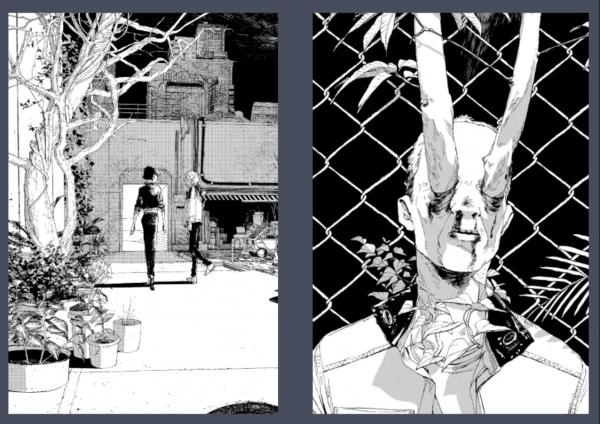
What makes this manga especially exciting now is that its world is about to move beyond the manga pages!! The anime adaptation is scheduled to premiere worldwide on Netflix on the 26th of november 2026. I'm so happy! I am especially curious to see how the spiriflora will look in motion because they are already some of the manga's most haunting creations. There is a certain stillness to Yasuda's artwork that makes the reader linger over those images and animation will inevitably transform that feeling. But I think if the adaptation manages to preserve the manga's melancholy, it has the potential to introduce the manga to an entirely new audience. Still! Even with the anime approaching, there is something special about experiencing the manga first.
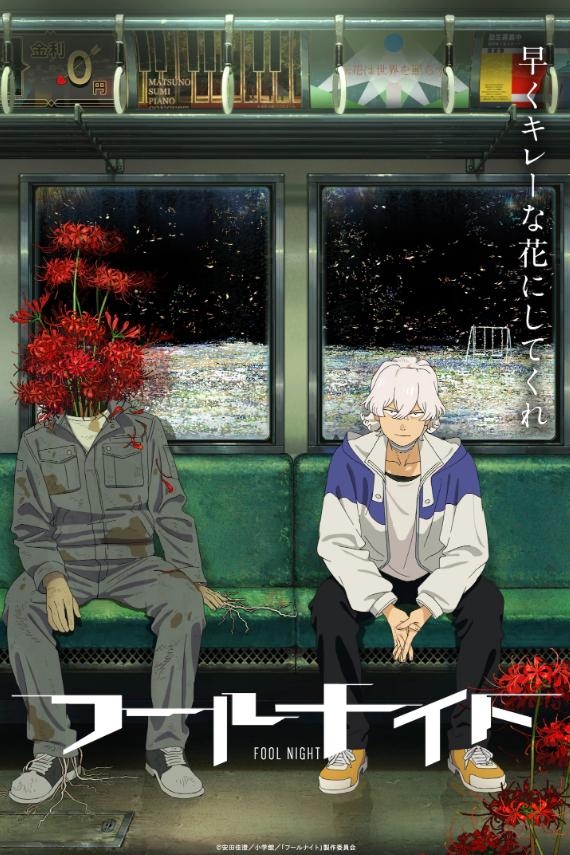
And to end my yappaton, I'd like to write about two characters I particularly enjoyed: Ken Hikasa and Mizuki Takayama. They may not be the first names people mention when discussing this manga but I found their actions surprisingly memorable. Ken has a pragmatic almost ruthless way of navigating the world around him while Mizuki brings a more emotionally complicated perspective to the story. Neither feels entirely easy to categorize as good or bad and that is exactly what makes them interesting t me. Who are your favorite characters? I'd love to know your opinion!
_____________________-`♡´-_____________________
And that's everything for today. See you next time!